- The 10-year bond hovered around 5% and once again put pressure on Wall Street valuations.
- The Nasdaq 100 suffered more than the Dow and the Russell due to pressure on technology and growth.
- Oil, the Fed, and doubts about AI shaped a clearly defensive closing session.
Indices
Wall Street today: lower close due to interest rates and oil
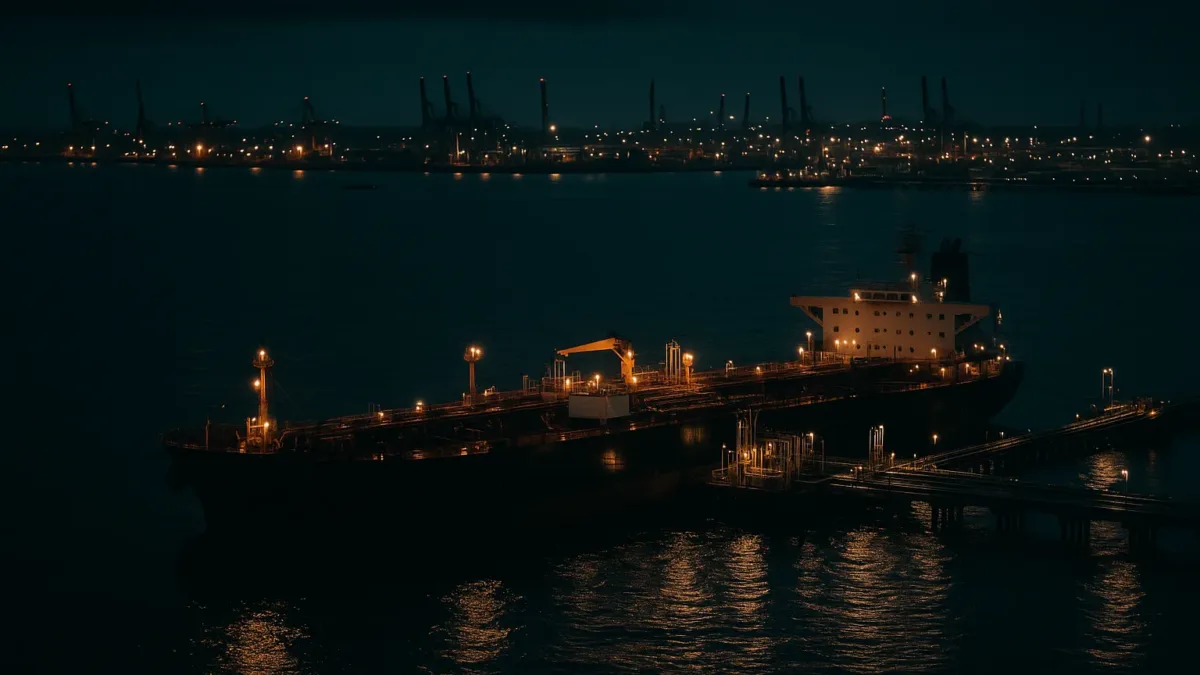
Wall Street today, S&P 500 close: rates and crude weigh: Wall Street today: close
Wall Street today: close: updated analysis with context for investors.
S&P 500 and Nasdaq: session close
Wall Street today sends a very clear message to any investor: when oil starts tightening again, the 10-year Treasury yield nears highs not seen in almost two decades, and the market fears a more hawkish Federal Reserve, equities feel it by the close. The S&P 500 ended the session on Tuesday, September 15, 2026 at 7,629.31 points, down 0.36%. The Nasdaq 100, much more sensitive to rates and technology, closed at 28,916.02 points, down 1.54%. The useful takeaway is not just that both fell, but why they did: the market once again punished duration, growth, and stretched multiples.
The pressure was especially visible in the technology and semiconductor segment, which is still digesting Monday’s blow from doubts about the future pace of investment in artificial intelligence. On top of that came a clearly uncomfortable bond backdrop: Reuters and other financial media highlighted during the session that the 10-year Treasury yield touched the 5% area, its highest since 2007, while crude remained above $100. That combination raised the market’s implied cost of capital and reduced appetite for companies with more stretched valuations. For readers following Wall Street from Madrid, the picture at the 10:00 p.m. Madrid close (3:00 p.m. Mexico City) was this: less tolerance for risk and greater preference for cash, energy, and strong balance sheets. (es.finance.yahoo.com)
Dow Jones: more defensive, but still loses ground
The Dow Jones Industrial Average closed at 52,421.20 points, down 0.29%. It fell less than the Nasdaq 100, which fits with the index’s composition: more industrials, healthcare, and defensive consumer names; less exposure to the direct punishment suffered by several large-cap tech stocks. Even so, it was not a comfortable close. The rise in long-term yields also weighs on cyclical companies and on the market’s aggregate valuation, because it tightens financial conditions for everyone.
The session was also a clash between two narratives. On the one hand, the market still sees an economy that has not broken. On the other, it fears that this very resilience may allow the Fed to maintain a restrictive stance for longer. Reuters reported that the focus was on the Federal Reserve’s two-day meeting and on growing bets for a 25 basis point hike. When that expectation coincides with strong oil, the Dow finds no full shelter: it holds up better, yes, but it does not escape the adjustment. Investors with a medium-term horizon should keep this idea in mind: the Dow is acting as a relative cushion, not a total safe haven. (es.finance.yahoo.com)
Russell 2000: small caps still feeling the pressure from rates
The Russell 2000 closed at 2,897.48 points, down 0.22%. The fact that it fell less than the Nasdaq does not mean structural strength. Rather, it means the punishment was concentrated more heavily in technology and growth. Small caps remain extremely tied to financing costs and the Fed’s message. If the market maintains the view of higher rates for longer, the Russell will still need a pause in rising yields to stage a cleaner rebound. In fact, Reuters emphasized during the session that this index would be among the biggest beneficiaries if the market stopped pricing in a prolonged tightening scenario. (finance.yahoo.com)
Factors that shaped the U.S. close
The first factor was the bond market. The 10-year Treasury yield touched 5.04% during the session, a level not seen since 2007, according to Reuters and MT Newswires as reported by Yahoo Finance. That figure matters more than it seems: it is the benchmark discount rate for the entire system. If it rises, the theoretical valuation of equities falls, especially in technology and businesses whose meaningful profits lie further out in time. It is not a decorative headline; it is the central piece of today’s close. (ca.finance.yahoo.com)
The second factor was oil. WTI traded above $103 and Brent rose past $107 during the session, fueling fears of more persistent energy inflation. At the same time, the Fed meeting added caution. Reuters reported that the market had been sharply increasing the probability assigned to a 25 basis point rate hike in the Wednesday, September 16, 2026 decision. And, as a third front, discomfort around artificial intelligence persisted: calls to slow the development of more advanced models kept pressure on much of the chip and software ecosystem. Put those three ingredients together and you have the recipe for the close: high crude, a 5% Treasury, and technology without leadership. (ca.finance.yahoo.com)
For those investing from Europe or Latin America, the translation is straightforward: if Wall Street corrects because of real rates, oil, and the Fed, the effect does not stay in New York. It spreads to the risk premium of global assets, the dollar, corporate financing costs, and appetite for emerging markets and cyclicals. That is the connection that really matters when interpreting today’s close. In addition, if you want to review the pulse of the benchmark index and the tech index, you can follow the performance of the S&P 500 on Yahoo Finance and the day’s context in Reuters market coverage. (es.finance.yahoo.com)
Stocks that rose and fell the most today
Among the best-performing stocks, names tied to software and cybersecurity stood out on Investing.com market screens: CrowdStrike advanced 13.85%, Palo Alto Networks rose 13.09%, and Gartner gained 9.73%. Fortinet also posted strong gains, up 9.04%, as did ServiceNow, up 7.41%. Without a single corporate explanation for the whole group in the sources consulted, the reasonable inference is a tactical rotation toward software and security segments with a better defensive earnings profile versus the prior punishment in hardware and semiconductors. That inference should be read as such: an interpretation of sector flows supported by the day’s relative performance. (investing.com)
On the downside, the damage was once again concentrated in parts of the technology and components ecosystem. Corning fell 13.70%, Teradyne lost 13.30%, and Astera Labs dropped 11.74%. Hewlett Packard Enterprise also fell sharply, down 10.77%, as did Skyworks, down 10.29%, and Arm, down 9.74%. Here, the macro-sector explanation fits better: the names most exposed to tech investment, chips, equipment, and multiple sensitivity were hit hardest in a session marked by doubts over AI, rising yields, and higher oil prices. In other words, today the market did not punish just one company; it punished a market narrative. (investing.com)
The operational conclusion is powerful: today’s close was not just a simple red day, it was a warning session. As long as the 10-year Treasury remains near 5% and oil stays in an inflation-pressure zone, the market will demand more selectivity. It is not enough to buy the index and wait. What matters now is distinguishing between businesses with a real ability to pass on costs, strong balance sheets, and reasonable valuations, versus companies overly dependent on future expectations. That is the kind of reading that separates the reactive investor from the prepared investor.
This article is general financial information and does not constitute investment advice.
Keep reading on the blog: Keys to the week in the stock market: CPI, China and oil and Practical guide to improving your market analysis.
Free community
Register for free access to the community forum
Share analysis, ask questions and connect with other investors — free, in under two minutes.
Create free account